Oak tree trimming in Los Angeles takes restraint. The City protects native oaks once the trunk measures 4 inches across, 4½ feet off the ground, and its code treats any cutting that will cause a protected tree to die as removal. Every job is done by a licensed, insured tree crew, and the estimate is free and in writing.
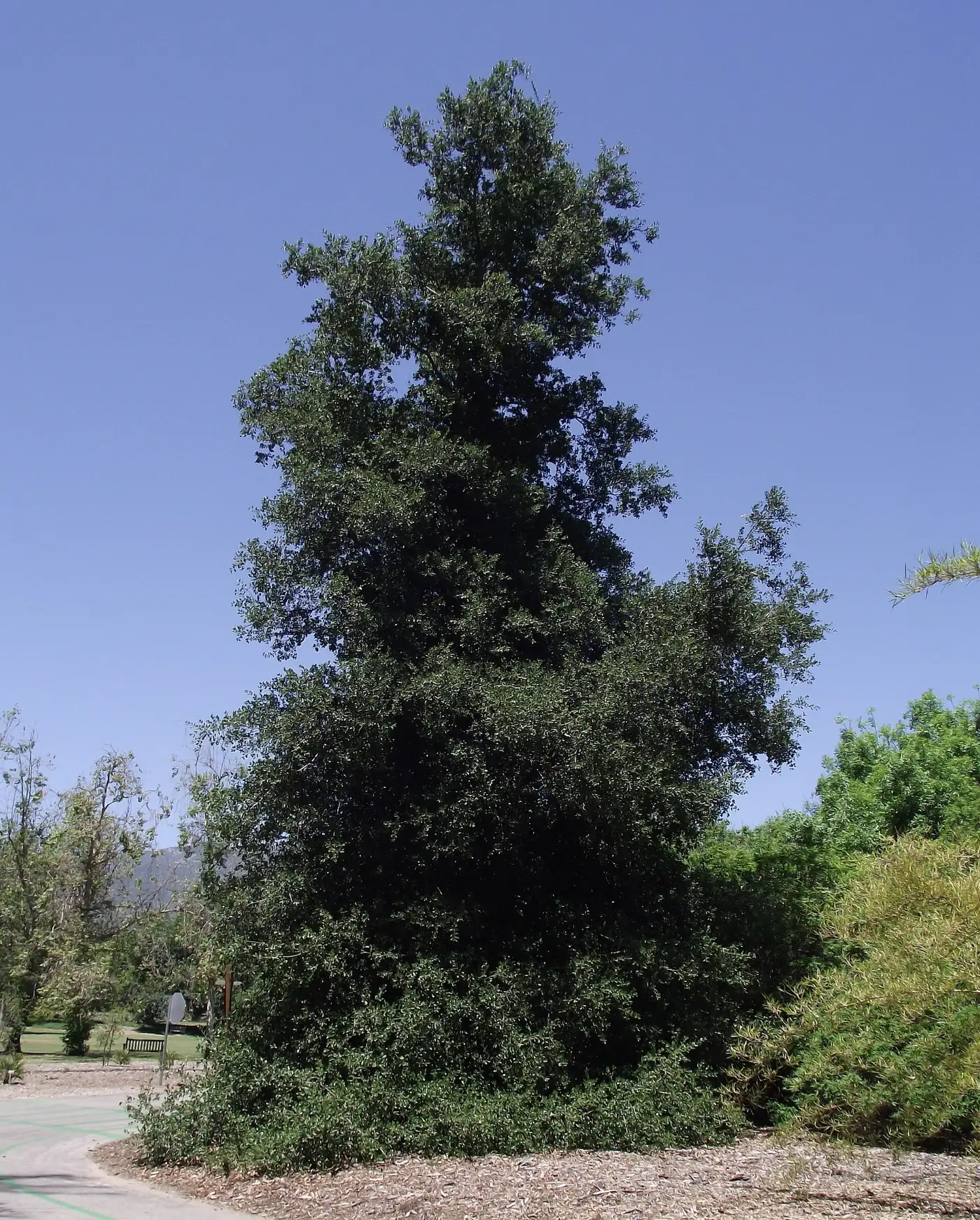 LA County Arboretum, Arcadia

When an oak is protected
Which rules apply depends on where the tree is:
| Where the oak is | Protected oaks | What needs a permit |
|---|---|---|
| City of Los Angeles | Any native oak except scrub oak, once the trunk (or trunks added together) is 4 inches across at 4½ feet | Removing or relocating it, including any act that will cause it to die |
| Near Mulholland Drive (Mulholland Scenic Parkway Specific Plan) | Oaks and other native trees of the Santa Monica Mountains | Removing, cutting down or moving an oak needs the Director of Planning's written approval |
| Glendale | Native oaks once the trunks add up to 6 inches | Removal. Dead branches and live branches up to 2 inches across can be pruned without a permit |
| Pasadena | Native oaks over 8 inches at 4½ feet | Removal. No permit to prune as long as the tree isn't injured |
| Unincorporated LA County | All oaks 8 inches or more (6 inches in the Santa Monica Mountains and Significant Ecological Areas) | An Oak Tree Permit covers removal and pruning larger branches and roots |
Sources: LAMC 46.00, Mulholland plan, City Clerk file 07-1427, Glendale permit guidance, Pasadena Municipal Code 8.52, LA County Oak Tree Permit FAQ
When pruning becomes a protected-tree problem
The City's code says removal includes "any act that will cause a protected tree to die," including damage to the root system and "changing the natural grade of land by excavation or filling the drip line area around the trunk."
In practice, these can count as removal:
- Cutting too hard. Taking off so much live canopy that the tree declines.
- Root damage. Trenching, digging footings or running machinery inside the drip line.
- Grade changes. Adding soil, raising a patio or paving over the root zone.
The stakes are high. After an illegal removal, the City can withhold building permits on the property for up to 10 years, and a permitted removal can require four protected trees planted for each one taken out. If a job could go past light pruning, ask whether an arborist report or permit is needed before anyone cuts. Read the full permit guide.
Sources: City protected tree ordinance text, LAMC 46.06
What careful oak pruning looks like
UC's oak advice for caring for an old oak comes down to a short list: prune out existing dead wood, keep live-wood pruning to a minimum, and set a specific goal for every cut.
- Dead wood first. Dead and broken limbs come out before anything else.
- Few live cuts, each with a reason. Lifting a limb off the roof or shortening one long, heavy limb. Ask the crew to name the goal for each cut.
- Industry standards. UC's guidance points to pruning that follows the current ANSI standards. Ask for it in writing on the estimate.
- No topping. Cutting big limbs to stubs is the fastest way to turn a trim into a removal.
- Timing. For coast live oak, UC suggests summer, after new leaves mature, to limit powdery mildew. Summer is also nesting season (February through August for many species, per CDFW), so the crew should check for nests first.
Sources: UC Oaks FAQ, CDFW on nesting season
Water and soil under an oak
About half of an oak's roots sit inside the drip line and half reach beyond it, so what happens on the ground matters as much as what happens in the canopy. UC's advice for established oaks:
- Go easy on summer water. Regular summer irrigation near the trunk favors oak root fungus and water mold root rot, two common causes of decline.
- Keep weight off the root zone. Don't park cars or heavy equipment under the canopy.
- Leave the soil alone. Limit digging and grading between the trunk and the drip line.
Source: UC Oaks FAQ
Two beetles that kill oaks
Ask the crew to look for these while they're up in the tree:
| Pest | What to know |
|---|---|
| Goldspotted oak borer | Attacks oaks, especially coast live oak, and hits big trees hardest (18 inches or more across). Look for thinning crowns, bark staining, woodpecker damage and small D-shaped exit holes. It has killed tens of thousands of oaks in San Diego County and turned up in isolated areas of Orange and Los Angeles counties. It most likely arrived on oak firewood, so don't move oak wood from a dying tree. |
| Invasive shothole borers | Tiny beetles that carry a fungus into the tree. They were in Los Angeles County and six other Southern California counties by early 2023. Coast live oak, valley oak and California sycamore are among the trees they breed in. Bark staining is often the first sign. |
Sources: UC IPM: goldspotted oak borer, Santa Monica Mountains Fund GSOB resources, UC IPM: invasive shothole borers, USDA Forest Service
What oak trimming costs in Los Angeles
Angi's 2026 Los Angeles data puts oak trimming at $205–1,705 a job. A tall oak, a hard-to-reach backyard, or a job that needs an arborist report or permit sits at the top of that range. A written quote from a crew that has seen the tree is the only real number. See all LA tree trimming prices.